22.09.2026
Two Thousand Years in a Glass: The Real Story of KlosterEberbach
While Roman legions were carving forts along the Rhine and planting Germany's firstvineyards to quench the thirst of an empire, Han dynasty merchants were opening the SilkRoad, and Maya architects were raising stone pyramids above the jungle canopy.
It is not quite a miracle, but it gets close, that today we can pour a glass from a place that hasgrown wine grapes, without interruption, for two thousand years. It sounds like something outof the Brothers
Grimm — too tidy, too fabulous to be true. Except it is.
The Romans didn't plant vines along the Rhine out of romance. They did it out of arithmetic.Shipping wine from Rome to a garrison on the frontier was slow and expensive. Easier to growit on-site. And a soldier tasked with bringing civilization to the local tribes — at spear-point,mostly — needed a steady ration of Jupiter's blood to get through the job. Germany's winestory starts as a logistics problem.
A Short Timeline of a Long Habit
50 BC – 800 AD. Roman soldiers plant the first vineyards along the Rhine and Mosel. After theempire collapses, the vines survive thanks largely to Charlemagne, who — legend says —noticed snow melting first on the Rheingau's south-facing slopes and drew the obviousconclusion: plant there.
1000s – 1500s. Monasteries take over. Benedictines and Cistercians turn wine from a farmchore into an institution, tracking vintages and building the reputation of sites still famoustoday. Riesling gets its first written mention in 1435.
1700s. At Kloster Eberbach, the best barrels get set aside in a segregated cellar known as the"Cabinet" — the ancestor of the word Kabinett.
1896.Proof this wasn't just monks talking their own book: when Berry Bros. & Rudd, London'soldest wine merchant, published its price list that year, the most expensive wines on it weren'tBordeaux first growths. They were Rheingau Rieslings, pricier than a magnum of 1870Château Lafite Rothschild. For a solid century, this stretch of the Rhine outpriced the winesthe world still treats as the gold standard.
German Riesling didn't spend its history as the affordable, food-friendly white it's filed undertoday. It spent a century as one of the most expensive wines on earth.
Enter Kloster Eberbach
Eberbach is one of the oldest chapters in that story — founded in 1136 by monks sent fromBurgundy, making it the first Cistercian monastery east of the Rhine. Within a century the
abbey controlled roughly 300 hectares of vineyard, the largest connected wine estate inEurope at the time.
Why Dry Is the Point
Germany's finest wines aren't the sweet ones. They're dry. The country's best producers,Eberbach included, have spent the last three decades rebuilding a reputation around
trocken
— bone-dry Riesling that can rival white Burgundy for structure and age-worthiness.
And "dry" needs a footnote: it isn't dry the way a Muscadet is dry. German trocken law allows asmall cushion of residual sugar, left on purpose to balance Riesling's naturally racy acidity. Youwon't taste it as sweetness. You'll taste it as balance.
Three Things That Make Eberbach Riesling What It Is
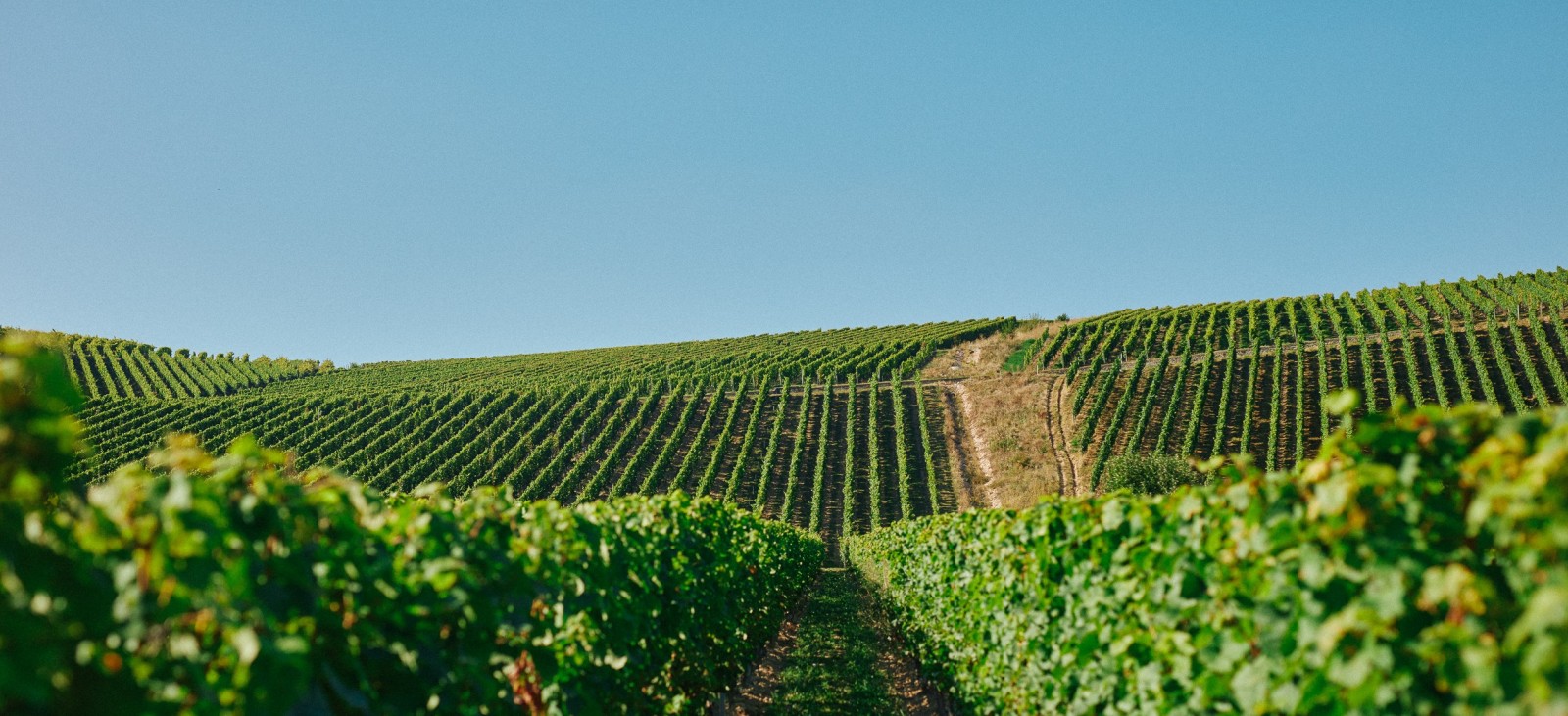
Place. The Rhine acts as a heat reservoir, soaking up summer sun and radiating it back into thevineyards through autumn. The slate soils do the same on a daily cycle — warming by day,releasing heat overnight — which is why ripe Riesling this far north shouldn't logically exist,and does anyway. The steep slopes catch the morning sun, and the grapes store it like a battery,released later as fresh-fruit brightness in the glass.
People. Modern equipment helps, but the real work is hand and eye: plot-by-plot picking,sorting by ripeness and color so only balanced fruit reaches the press. That's the differencebetween citrus and white flowers, and alcohol with opinions.
Practices. Eberbach hasn't had monks in two centuries, but it still vinifies with their olddiscipline — each plot, each variety, handled separately. Slow, repetitive, done the same wayevery year regardless of the vintage. That consistency is exactly why, as the climate shifts,Germany is now producing more excellent vintages, not fewer — a cool-climate region quietlybenefiting from a warmer world.
Nine hundred years of monks and a word — Kabinett — the wine world still argues about.That's what's actually in the bottle.
Click here to discover our latest addition to the portfolio — a journey through the winecultures that shaped the way the world drinks.
Cheers.